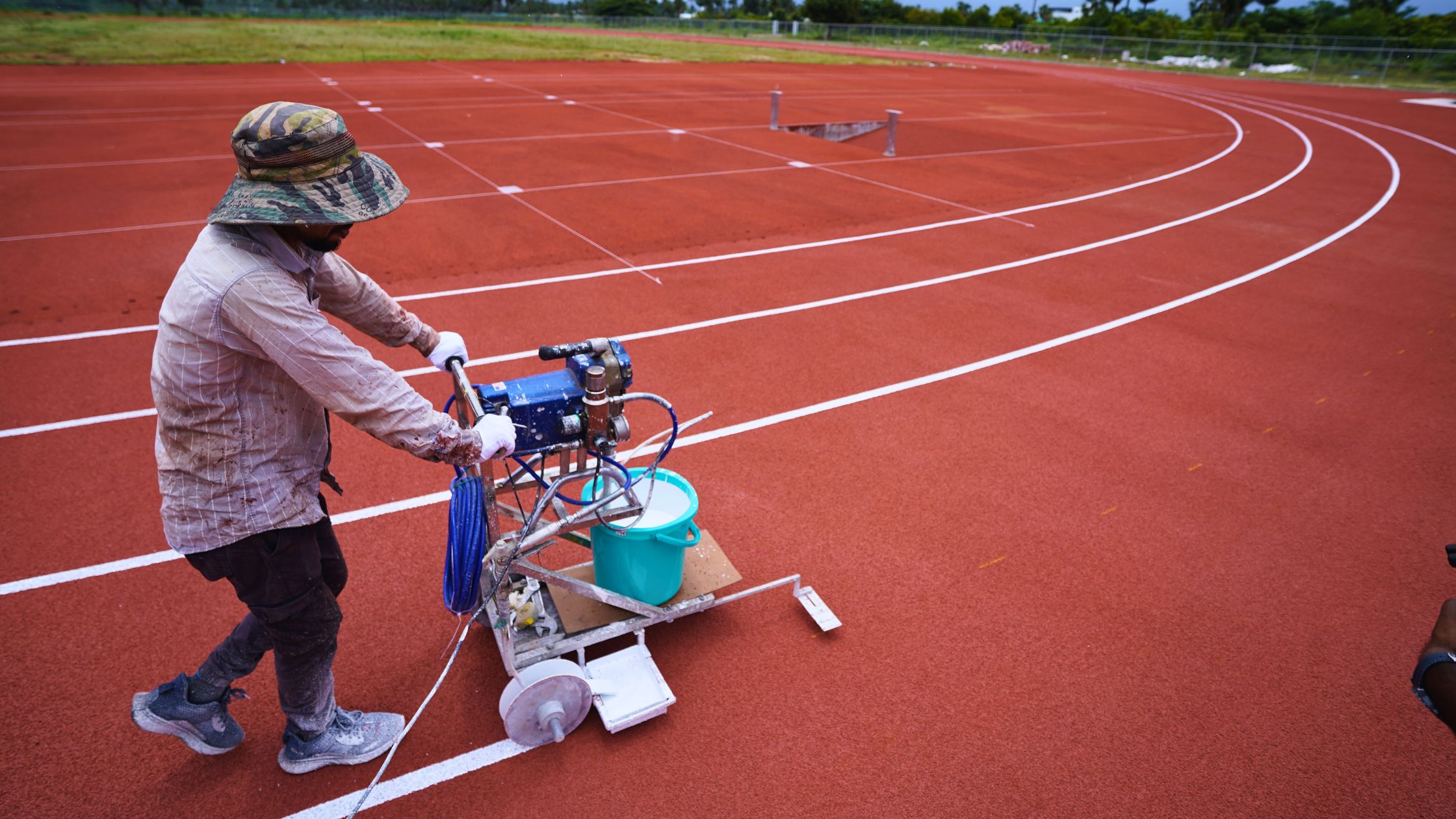
In recent years, the significance of robust sports infrastructure has taken center stage, as communities and nations alike recognize its role in promoting physical health, fostering community engagement, and driving economic development. From state-of-the-art stadiums and multipurpose arenas to accessible parks and recreational facilities, the evolution of sports infrastructure plays a crucial part in shaping the future of athletics at all levels. In this context, staying updated on the latest developments and trends in sports infrastructure is essential for stakeholders ranging from policymakers and urban planners to athletes and fans.
This article aims to provide a comprehensive overview of recent news and advancements in sports infrastructure. We will explore innovative construction techniques, funding initiatives, and case studies of successful projects that demonstrate the positive impact of well-designed sports facilities. By highlighting these developments, we seek to inspire a broader conversation about the importance of investing in sustainable and inclusive sports environments that not only serve athletes but also bring communities together.
Innovative Construction Techniques
The landscape of sports infrastructure is rapidly evolving with the introduction of innovative construction techniques that prioritize sustainability and community engagement. Prefabricated materials and modular designs are becoming increasingly popular, allowing projects to be completed faster and with less waste. Furthermore, the integration of green technologies, such as solar panels and rainwater harvesting systems, is turning new sports facilities into exemplars of environmental responsibility. These forward-thinking approaches not only reduce the carbon footprint of construction but also lower operational costs in the long run. For continuous updates on these types of advancements, the Sports Infrastructure News platform offers valuable insights and case studies.
Community Impact and Engagement
Investing in sports infrastructure has proven to be beneficial beyond just athletic performance; it significantly enhances community well-being and cohesion. Well-designed facilities, such as multi-sport complexes and accessible parks, provide spaces for social interaction, health initiatives, and youth engagement. By promoting active lifestyles and community events, these venues facilitate a sense of belonging and identity among residents. Furthermore, the economic ripple effects of successful sports infrastructure projects can be profound, leading to job creation, increased tourism, and elevated local business revenue. As communities continue to embrace the importance of such investments, the potential for positive change expands exponentially.
In conclusion, the ongoing developments in sports infrastructure highlight a transformative shift towards inclusive, sustainable, and community-oriented designs that serve not only athletes but also the broader populations they engage. As governments, organizations, and private entities work together to create modern facilities equipped with advanced technologies and environmentally friendly practices, the benefits extend far beyond the playing field. These investments are driving healthier lifestyles, fostering social connections, and boosting local economies, reinforcing the belief that sports infrastructure is a vital component of vibrant, thriving communities. By prioritizing these advancements, we can ensure that the future of sports remains accessible and beneficial for all, nurturing both talent and community spirit for generations to come.